
10 Mar Meimoa Lake
What is the Meimoa Dam?
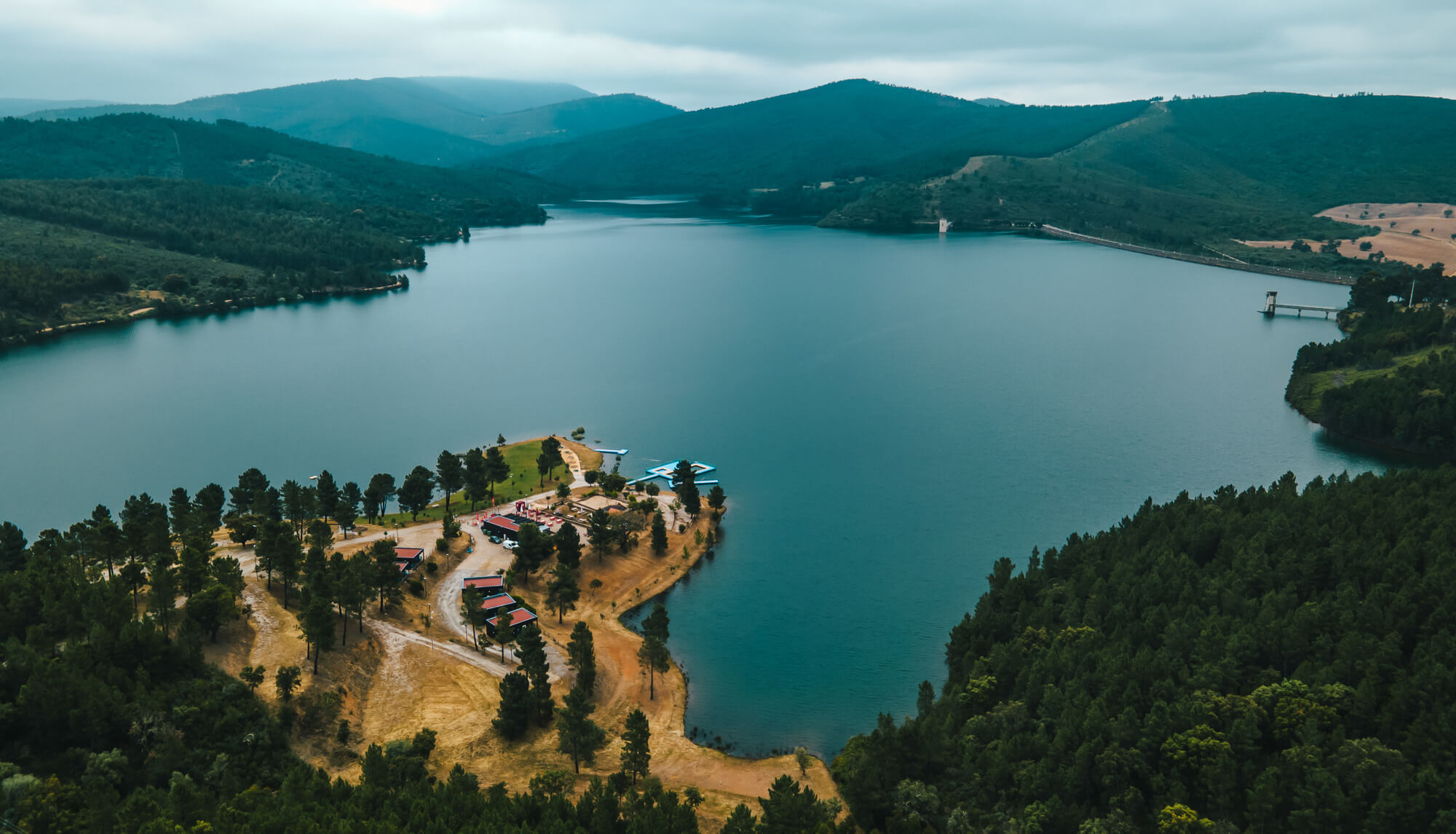
The Meimoa Dam is a zoned earth embankment dam located in the municipality of Penamacor, district of Castelo Branco, on the Meimoa stream, in the Tagus river basin. The project dates back to 1978 and construction was completed in 1985. The infrastructure was designed for irrigation and water supply, playing an important role in the hydro-agricultural development of the region.
The reservoir has a total capacity of 40.9 million m³, a usable capacity of 27 million m³, and a flooded area of approximately 2.22 km² at full storage level. The dam is 56 meters high above the foundation, which helps to understand its scale and technical relevance in the regional context.
Today, in addition to its hydraulic function, the Meimoa Dam has gained a recreational and landscape dimension.The reservoir’s surroundings and proximity to the bathing area have made it a highly sought-after spot during the warmer months, both by residents and visitors looking for peace, nature, and leisure.
Did you know?
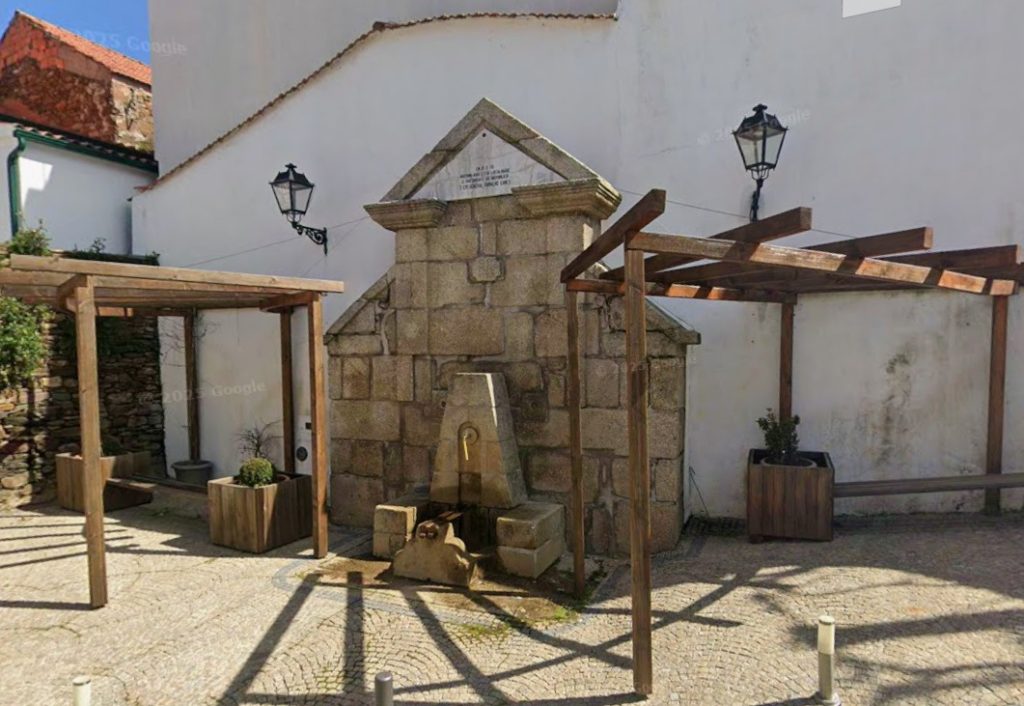
The village of Meimão is often associated with the Meimoa Dam reservoir, especially since a large part of the reservoir is located within the village’s territory! This has led to a rivalry between neighboring towns, culminating in the official visit of Ramalho Eanes, who, according to local accounts, had his caravan moved towards Meimão against the wishes of the people of Meimoa, resulting in a large fountain being erected on General Ramalho Eanes Street as a symbol of pride!
How to get to the Meimoa Dam:
The Meimoa Dam is located in the municipality of Penamacor, in the heart of the Beira Baixa region, and the most practical access is by car. For those coming from Castelo Branco, Fundão, Covilhã or Sabugal, the journey is simple and allows you to combine the visit with other points of interest in the border region. A car remains the most convenient solution, especially for exploring different sides of the reservoir, the bathing area and nearby attractions.
Those wishing to go directly to the leisure area will find support at the Meimão Bathing Area, which offers accommodation and bungalows. There is also local accommodation and restaurants in the village of Meimoa. Additionally, both in Meimão and Meimoa, there are local shops to complement the visit and purchase food.
Best time to visit:
The Meimoa Dam can be enjoyed throughout the year, but the experience changes considerably depending on the season. Spring and summer are the most appealing periods for those who want to enjoy the water, the bathing area, and outdoor activities. Autumn offers a calmer atmosphere, soft light, and generally pleasant temperatures for walks and contemplating the landscape. But don’t think winter isn’t appealing: temperatures are usually bearable enough, and in December, the atmosphere of the Madeiro bonfire still hangs over the entire municipality of Penamacor.
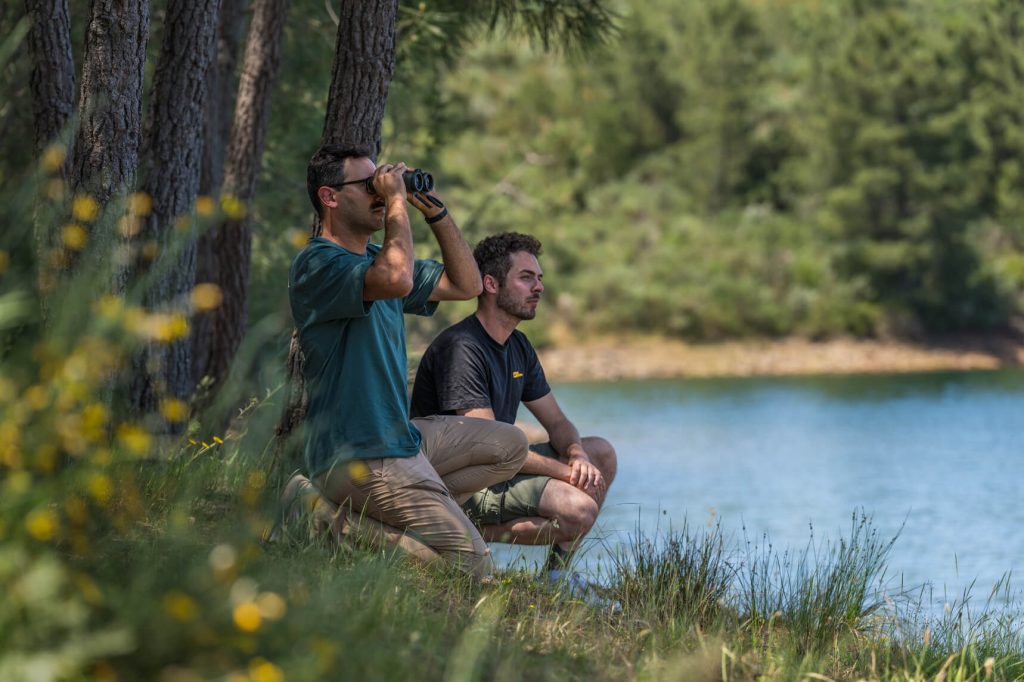
On the hottest days, the river beach and its support facilities become one of the great attractions. Outside the bathing season, the dam remains interesting for those who appreciate inland landscapes, informal birdwatching, photography, and a more tranquil experience of the territory. The proximity of the Serra da Malcata mountain range further reinforces this natural and quiet aspect of the visit.
Practical tips:
Bring water, sunscreen, and a hat if you go during the warmer months, because the heat in this Beira Interior region can be quite intense. If you intend to walk or explore the surrounding area, wear comfortable shoes and don’t rely solely on natural shade everywhere.
If you plan to spend several hours there, it’s always worth consulting BEIR’AJA to arrange our activities or make your experience as enjoyable as possible!
For a more complete experience, it’s worth combining leisure, nature, and culture in the same day.